Justice Department publishes 3 million pages from Epstein files, ending releases
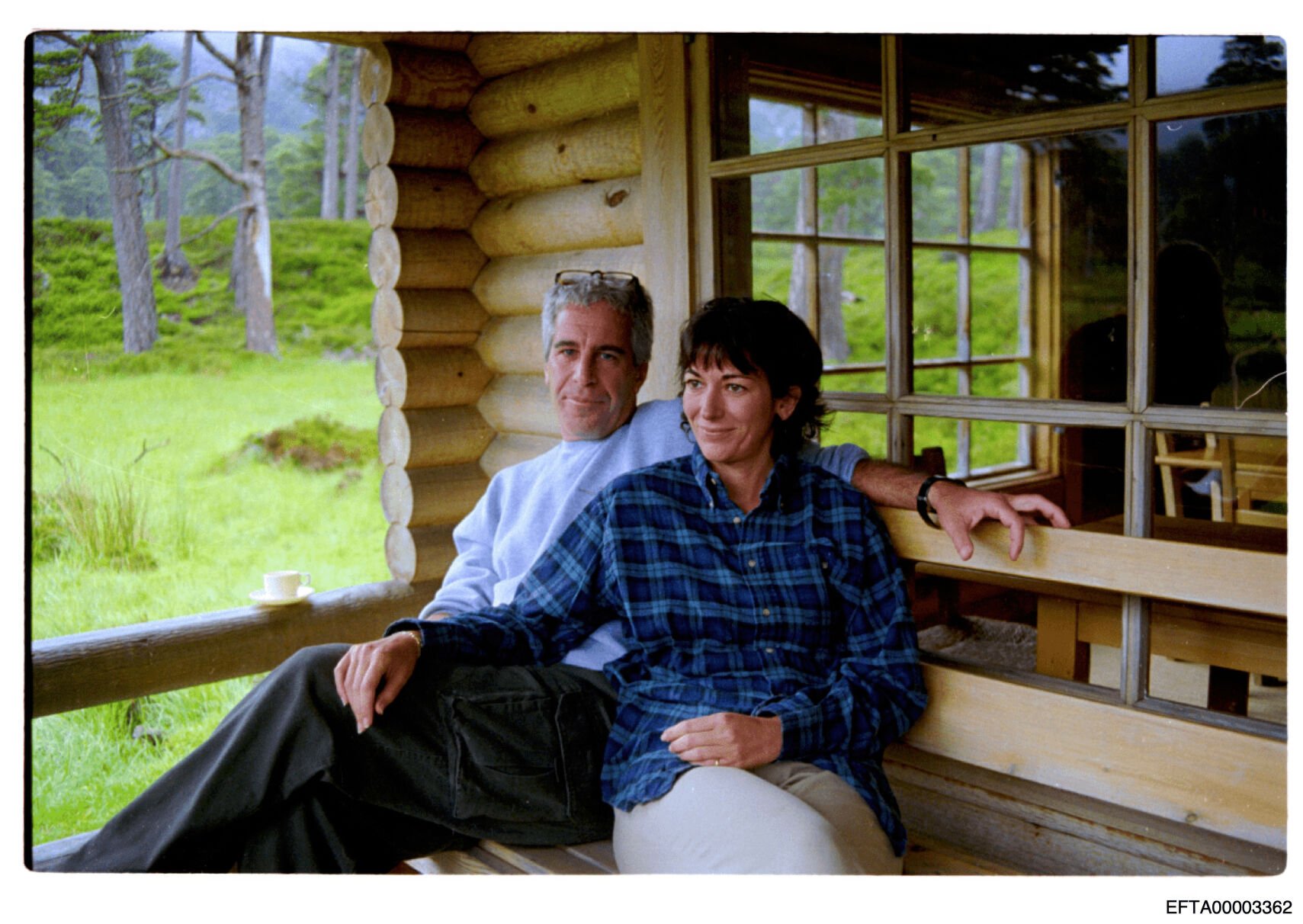
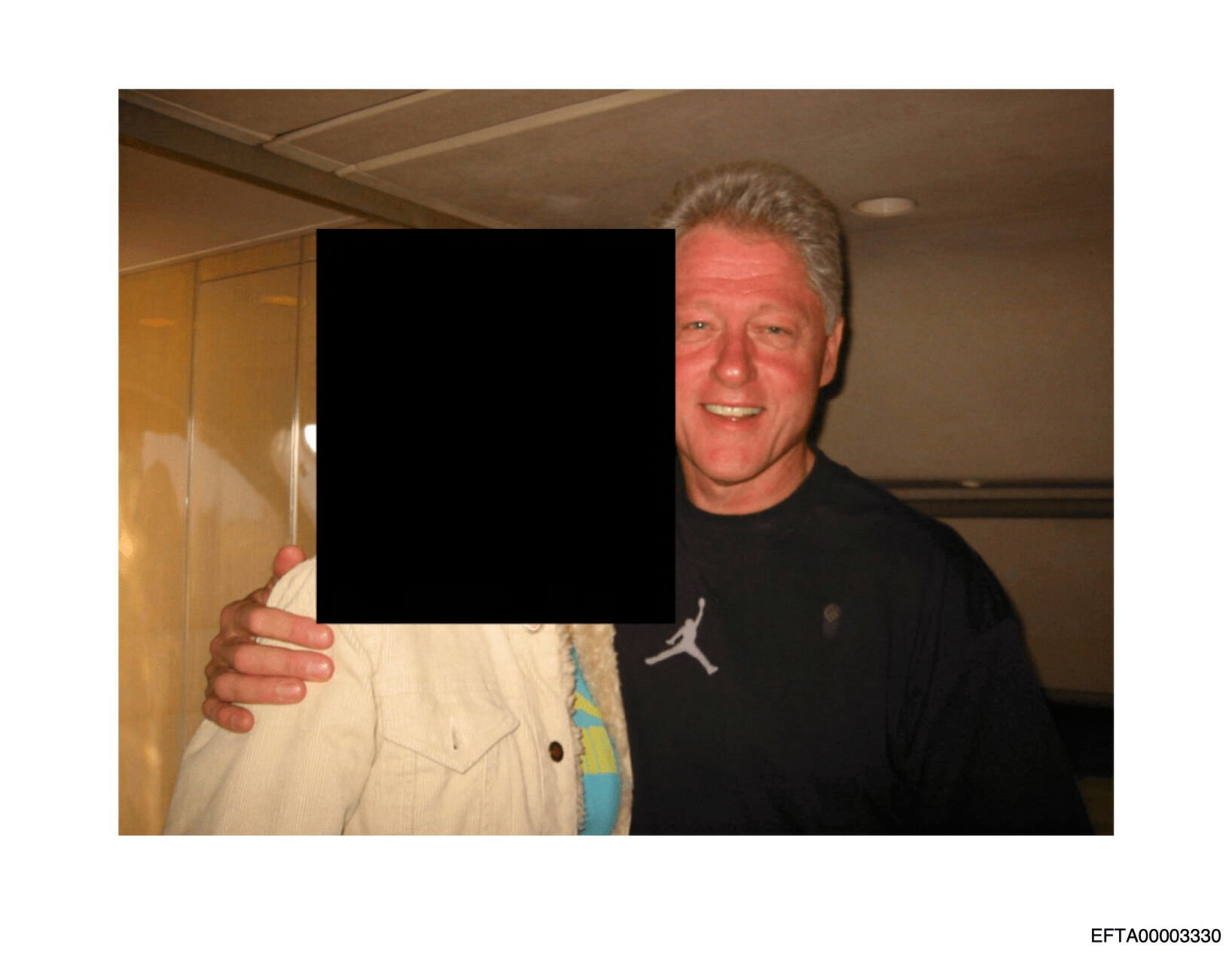
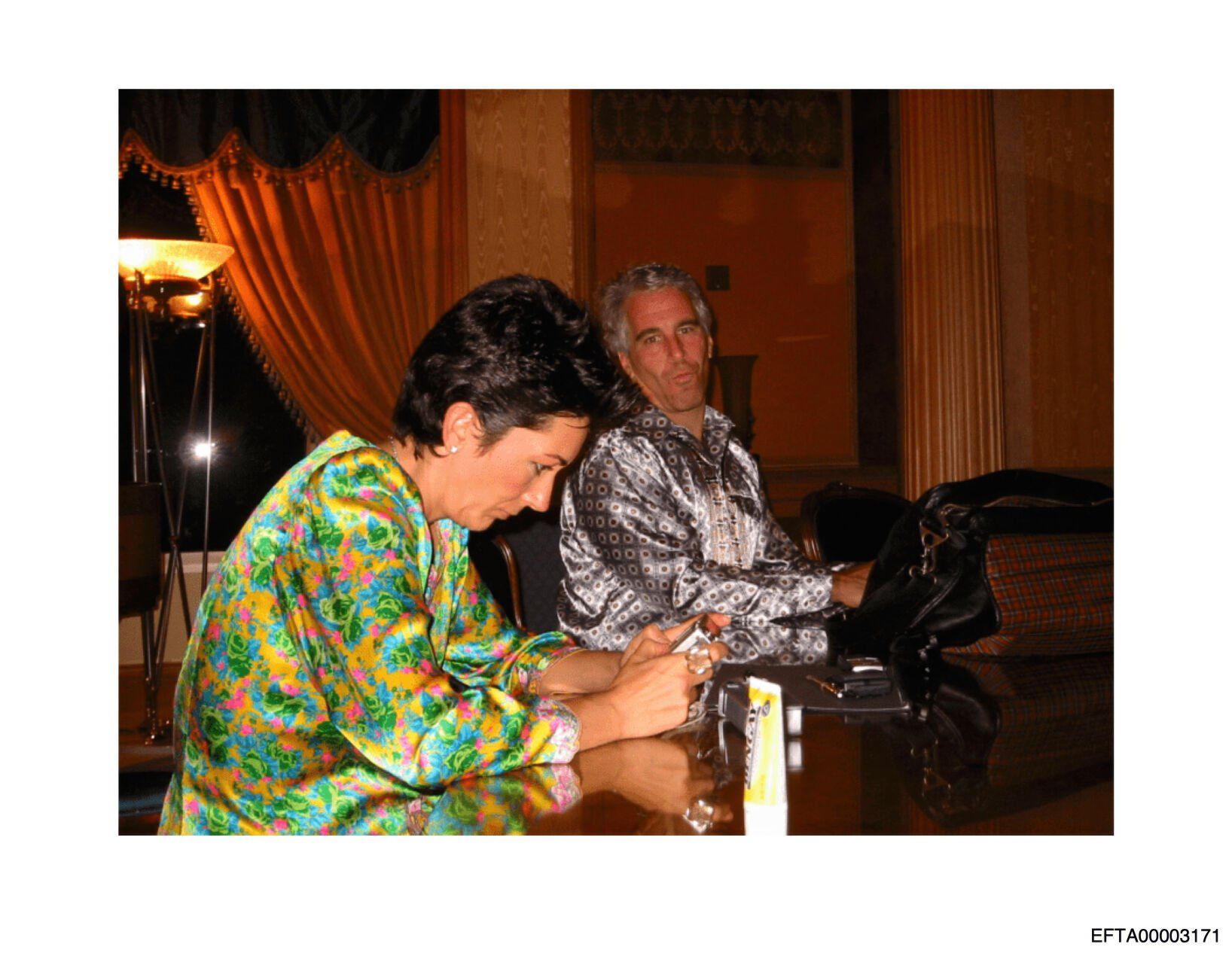
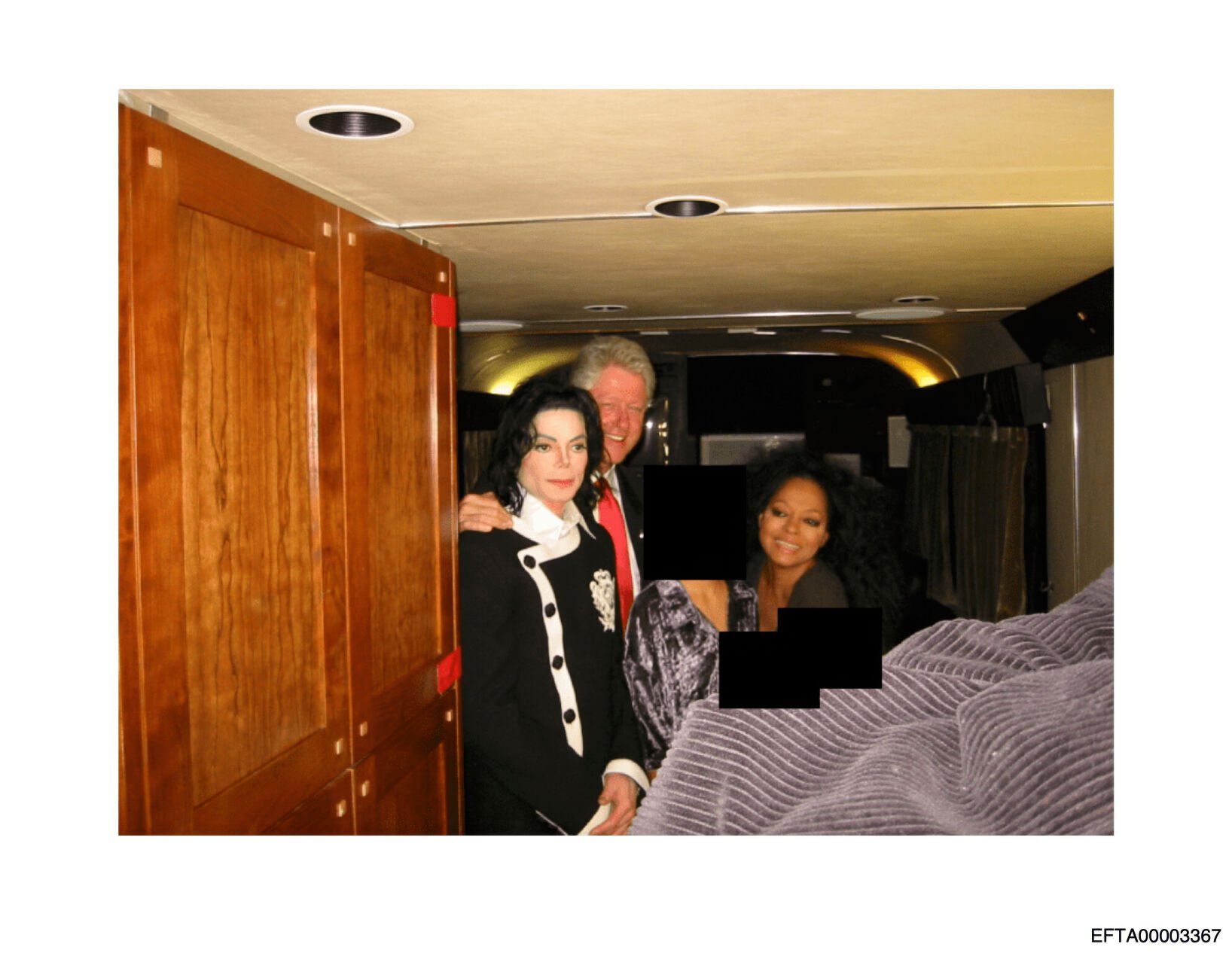
NEW YORK — The Justice Department on Friday released many more records from its investigative files on Jeffrey Epstein, resuming disclosures under a law intended to reveal what the government knew about the millionaire financier’s sexual abuse of children and his interactions with rich and powerful people such as Donald Trump and Bill Clinton.
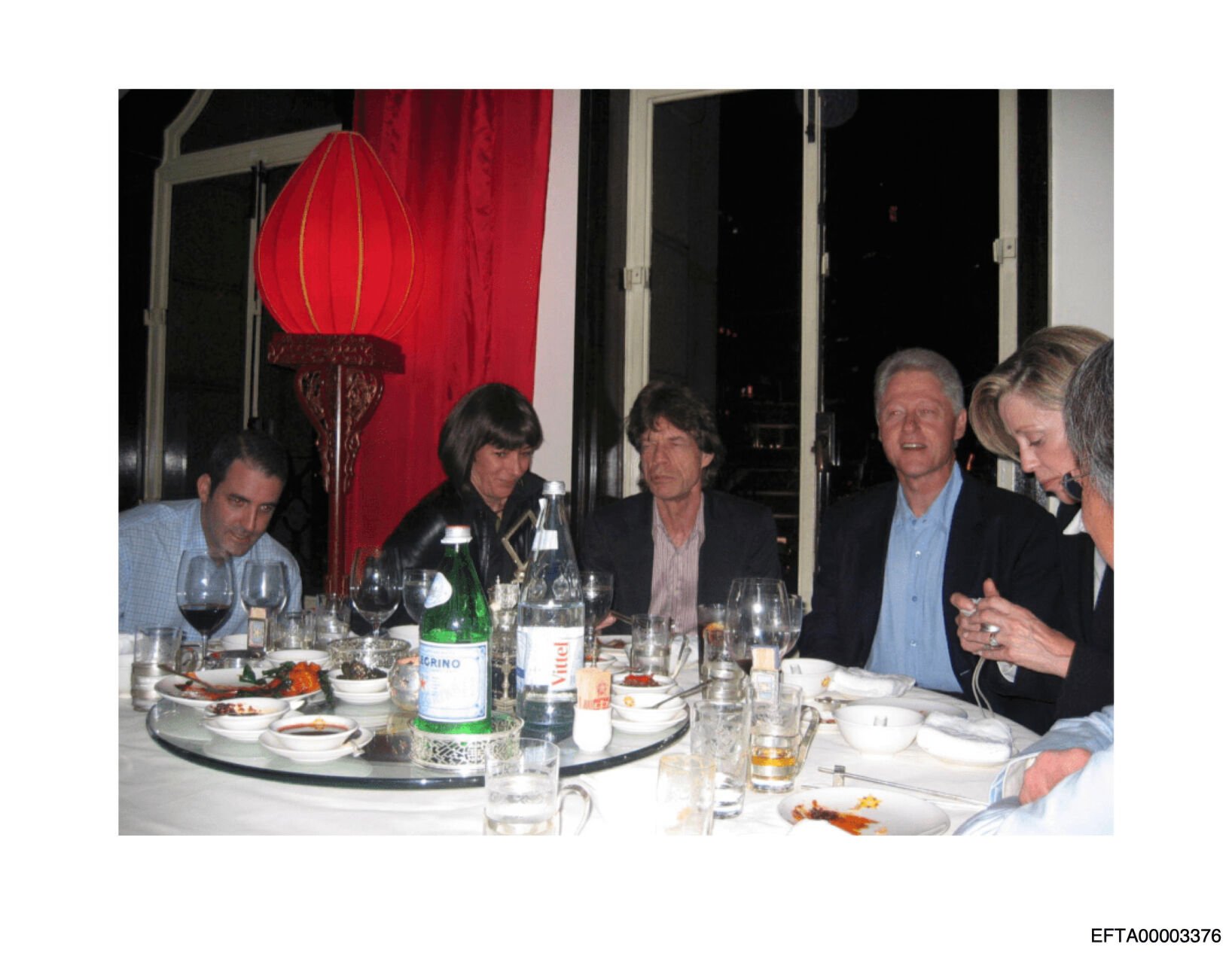
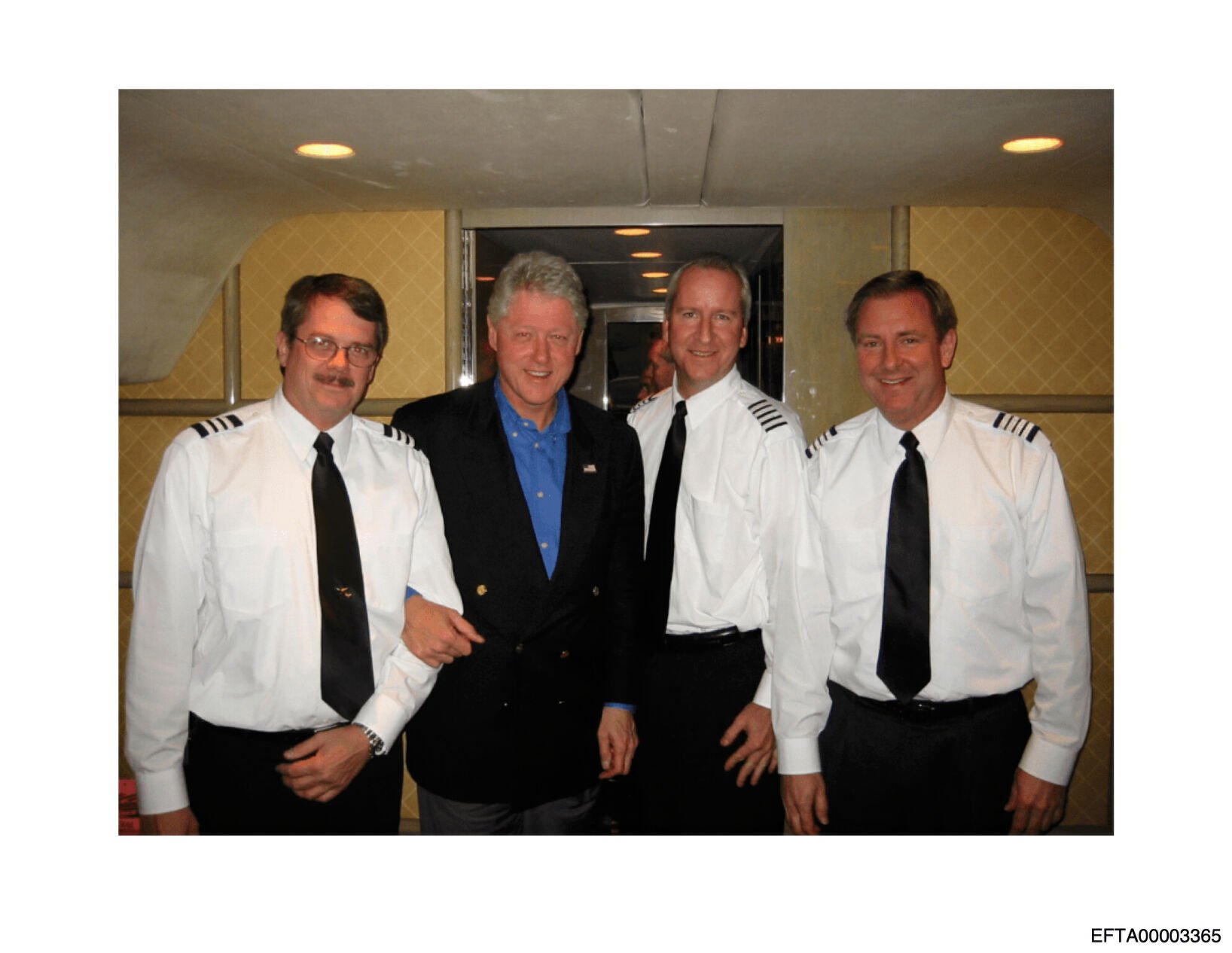
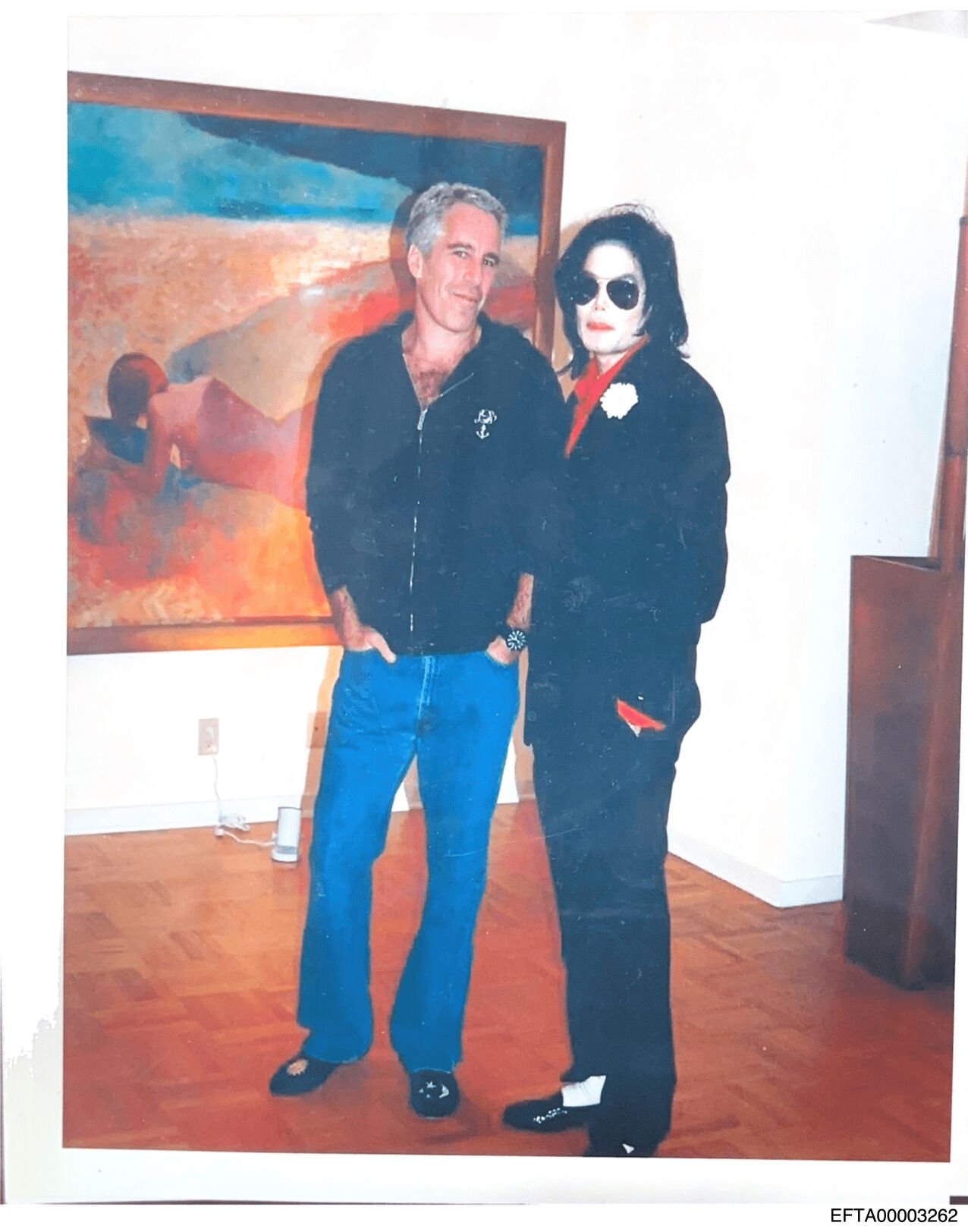
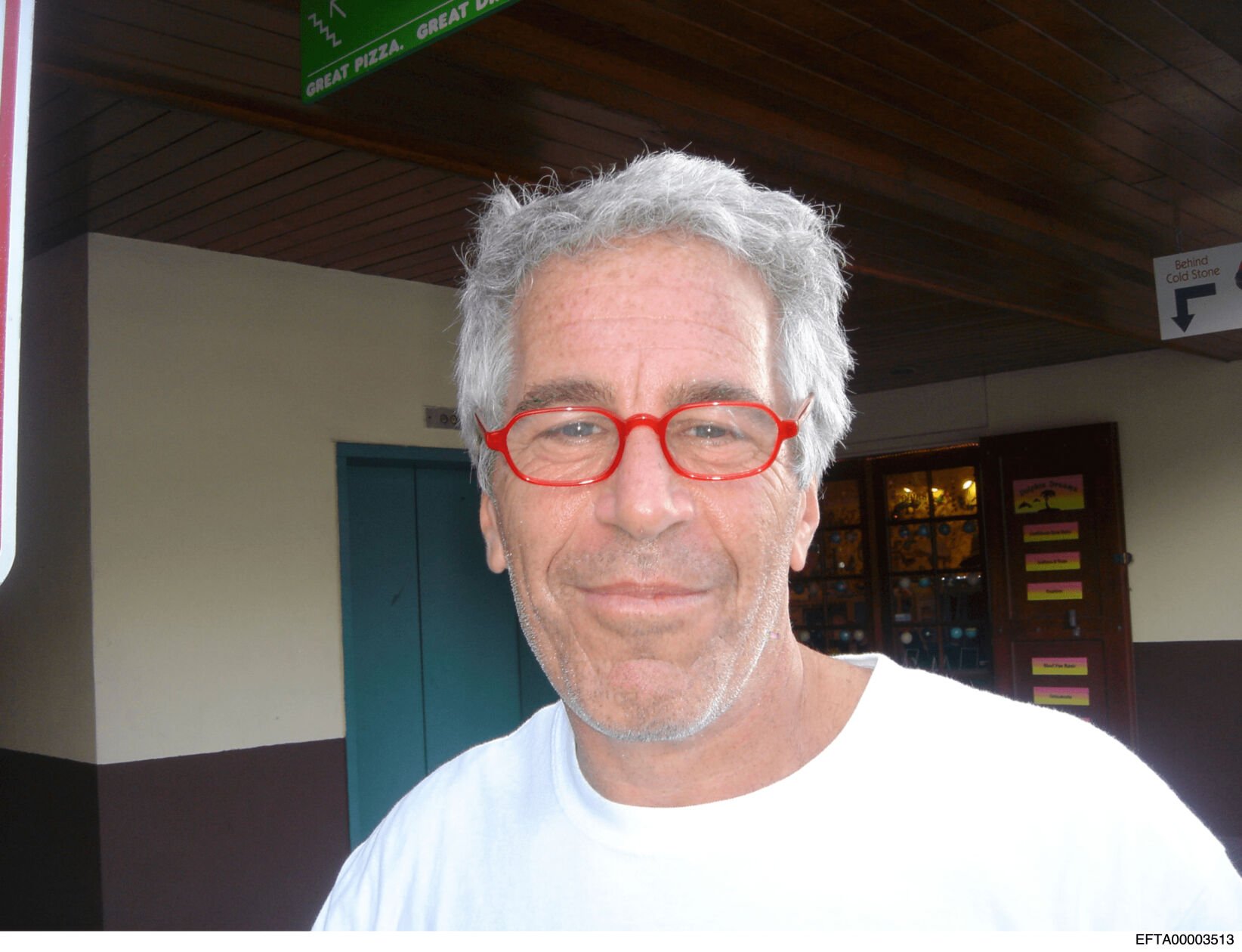
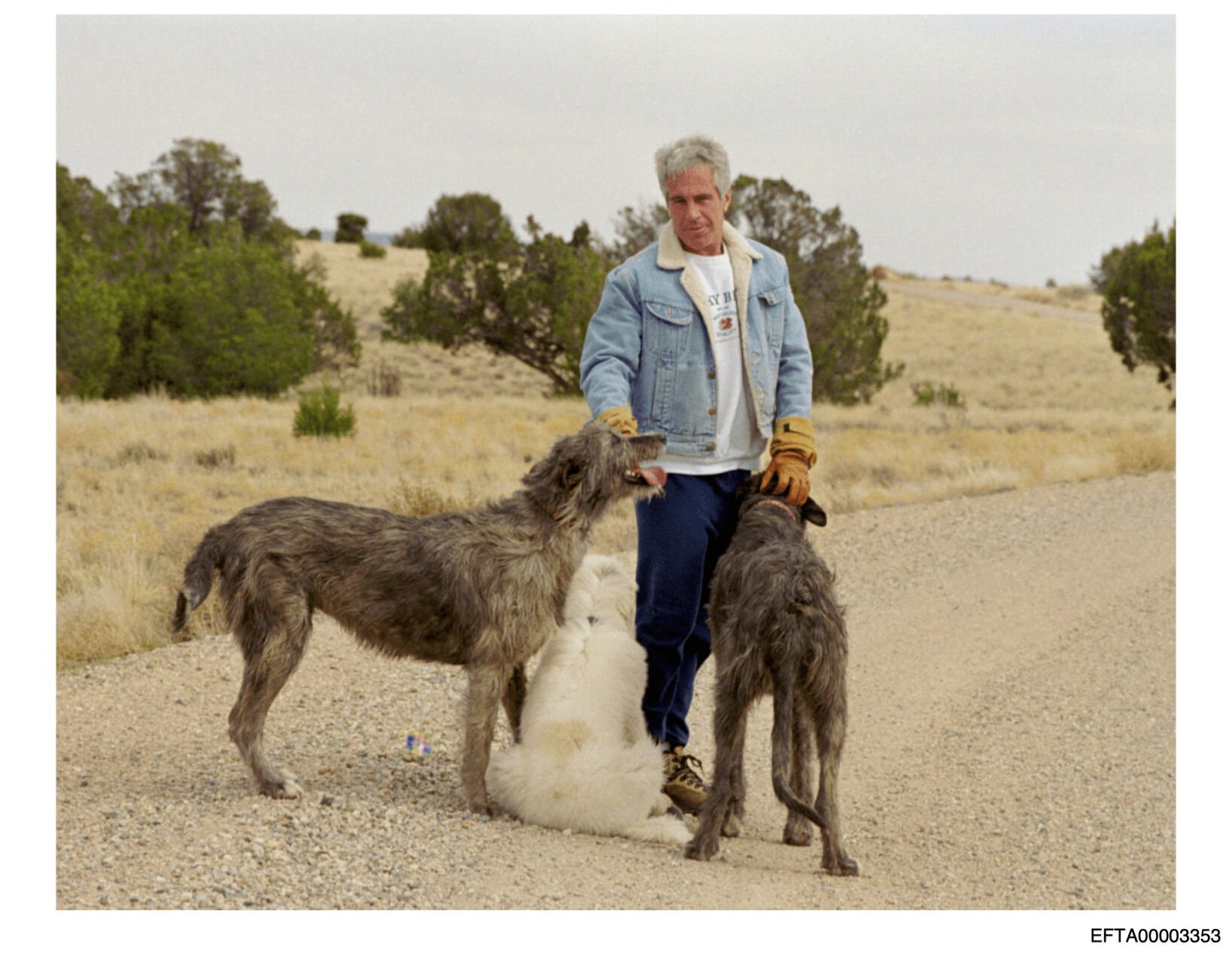
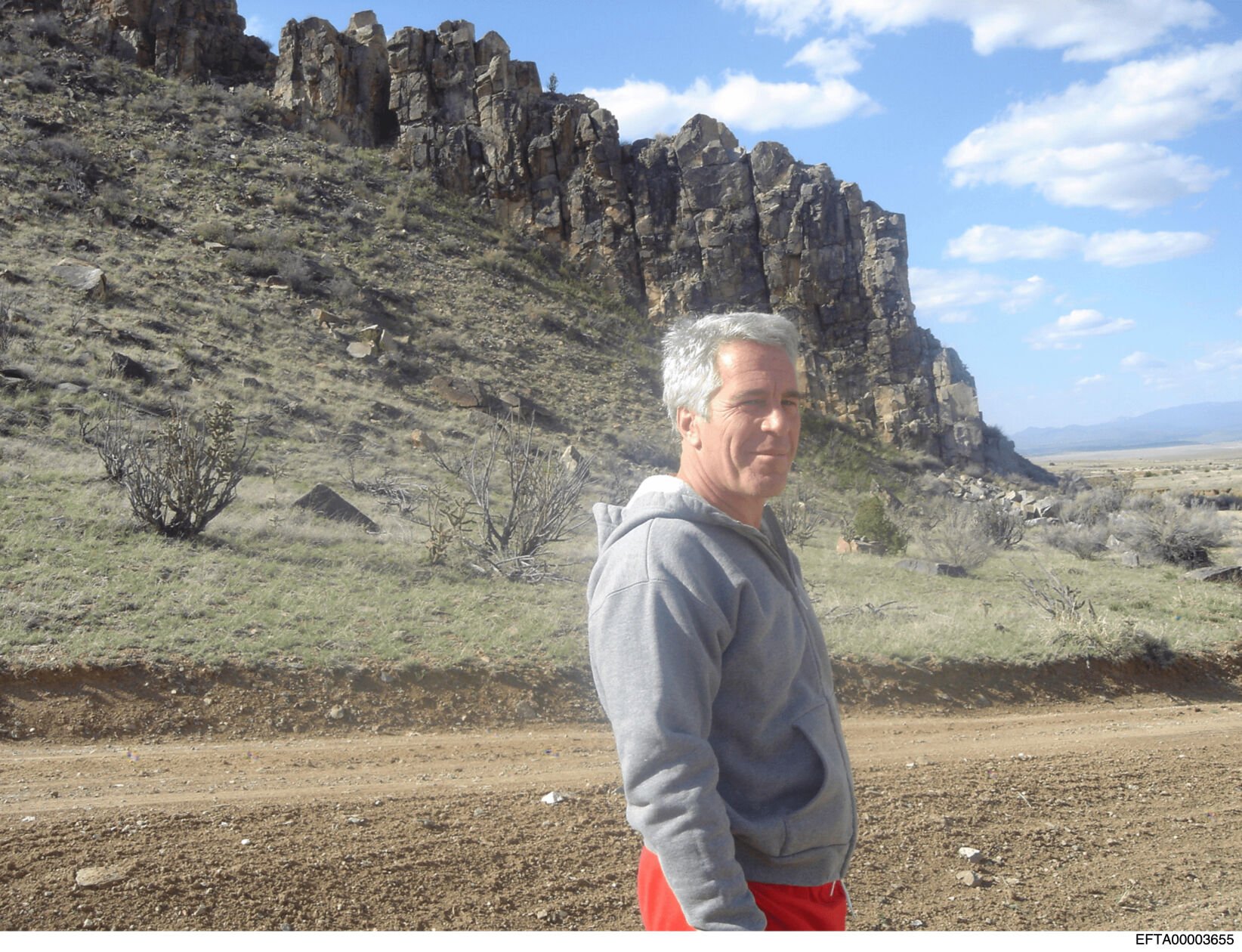
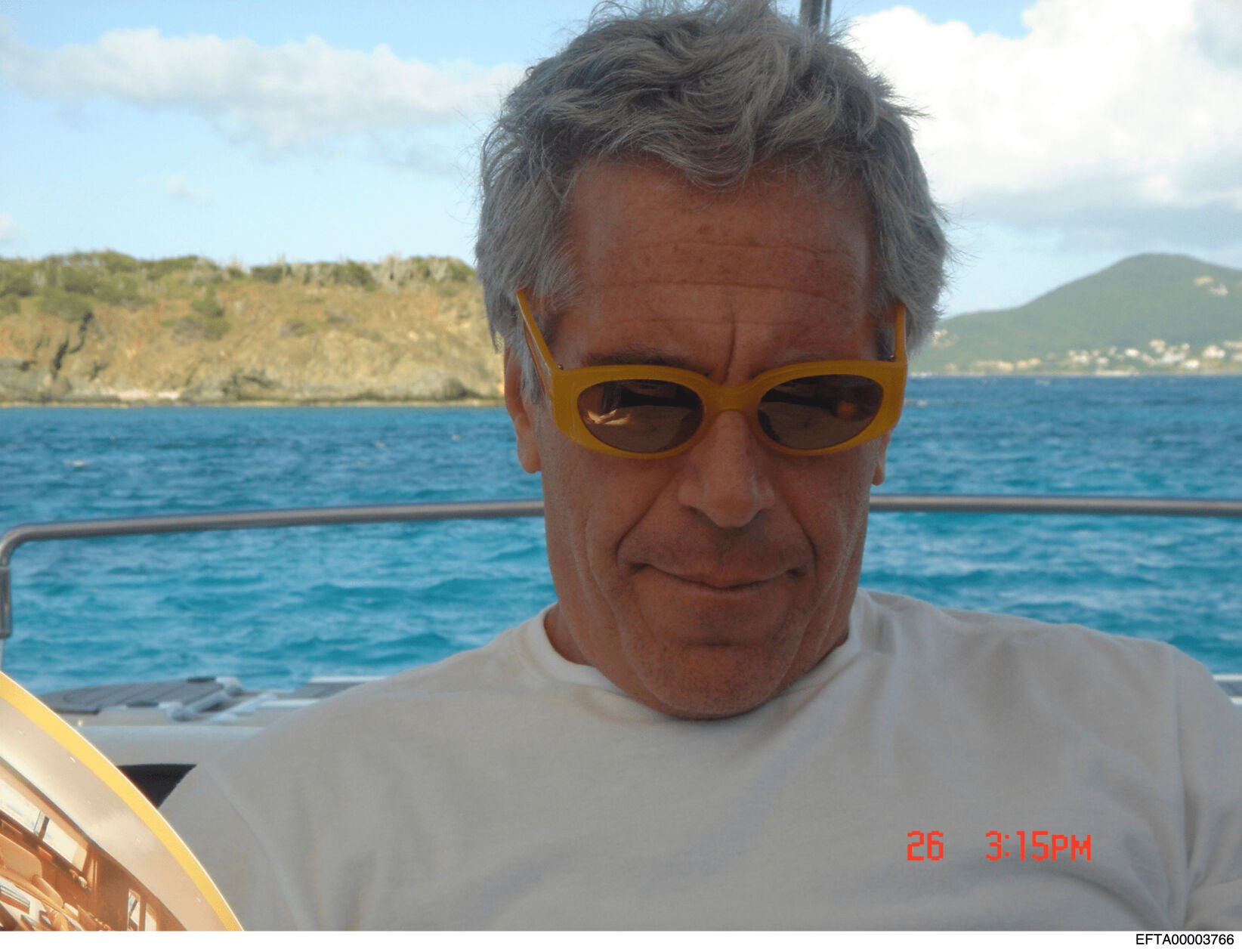
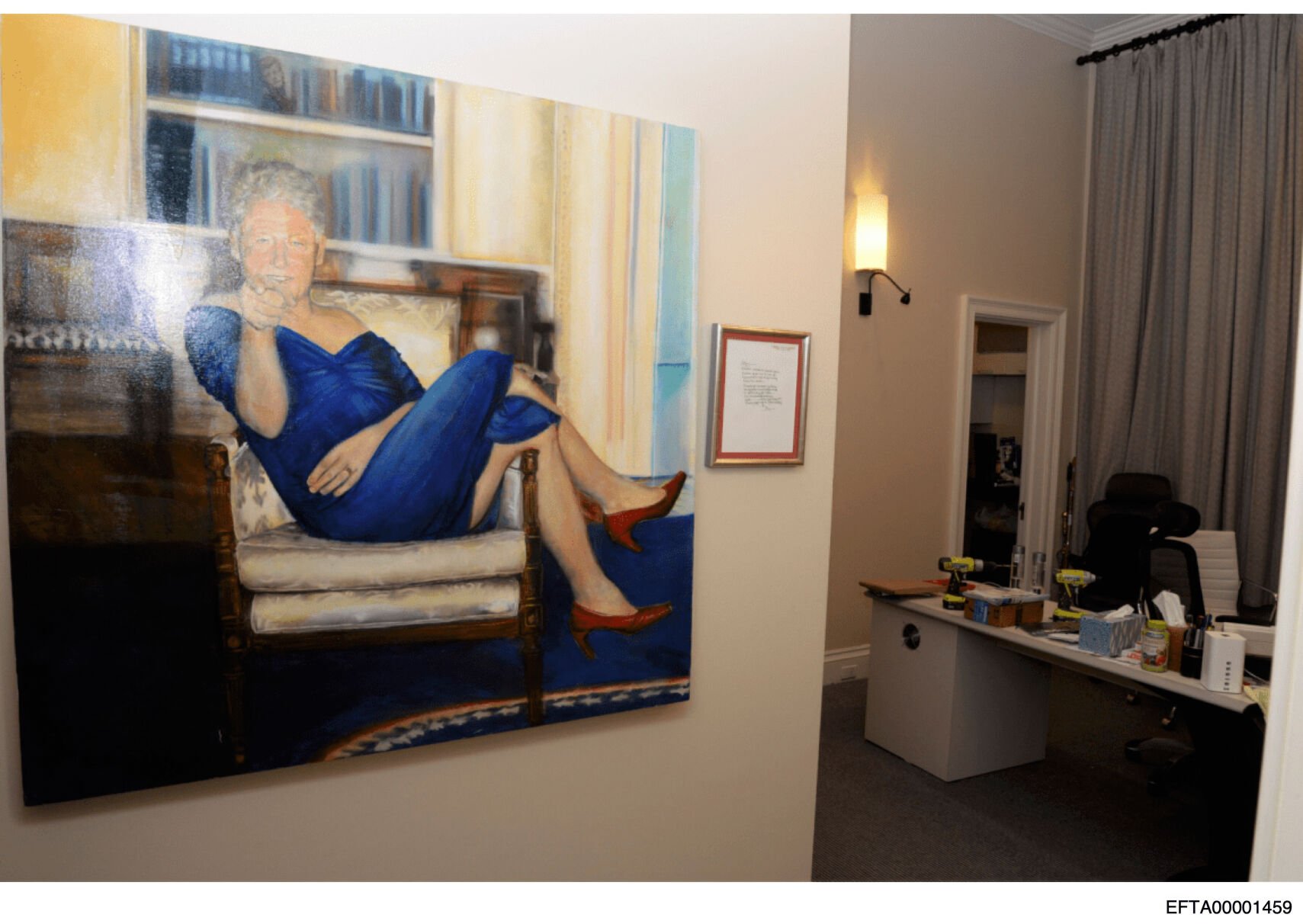
Deputy Attorney General Todd Blanche said the department released more than 3 million pages of documents in the latest Epstein disclosure, as well as more than 2,000 videos and 180,000 images. The files, posted to the department’s website, include some of the several million pages of records that officials said were withheld from an initial release of documents in December.
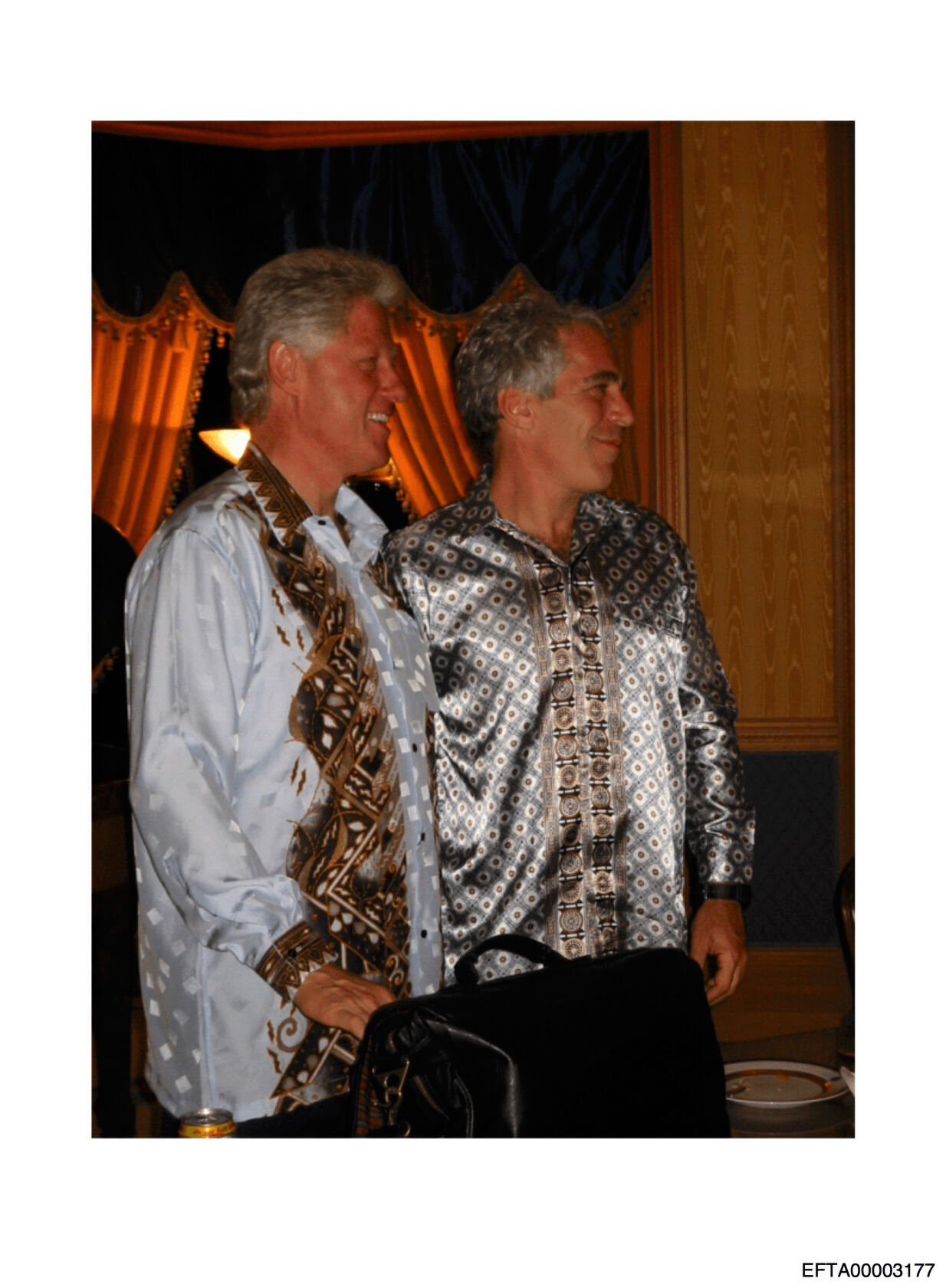
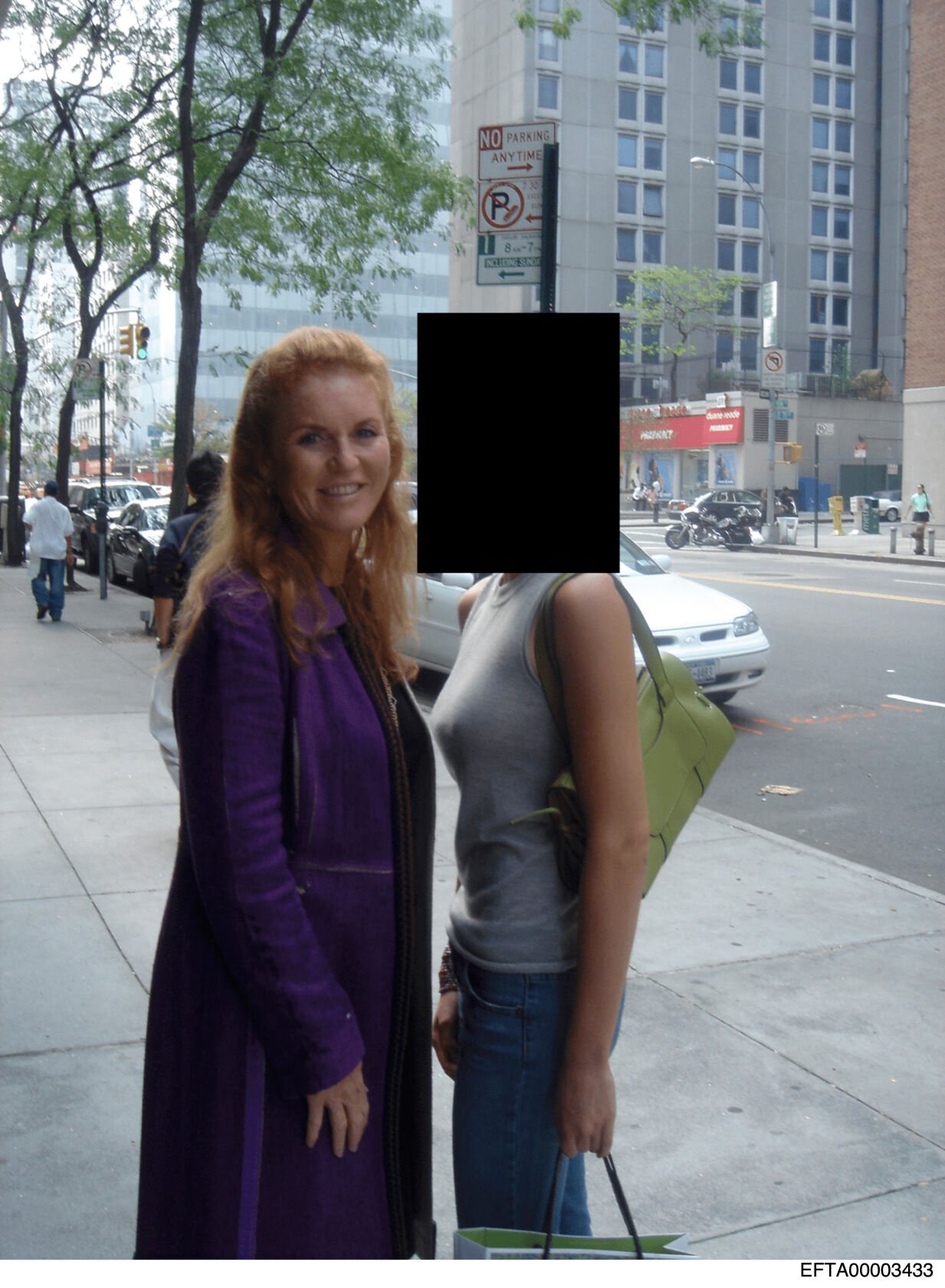
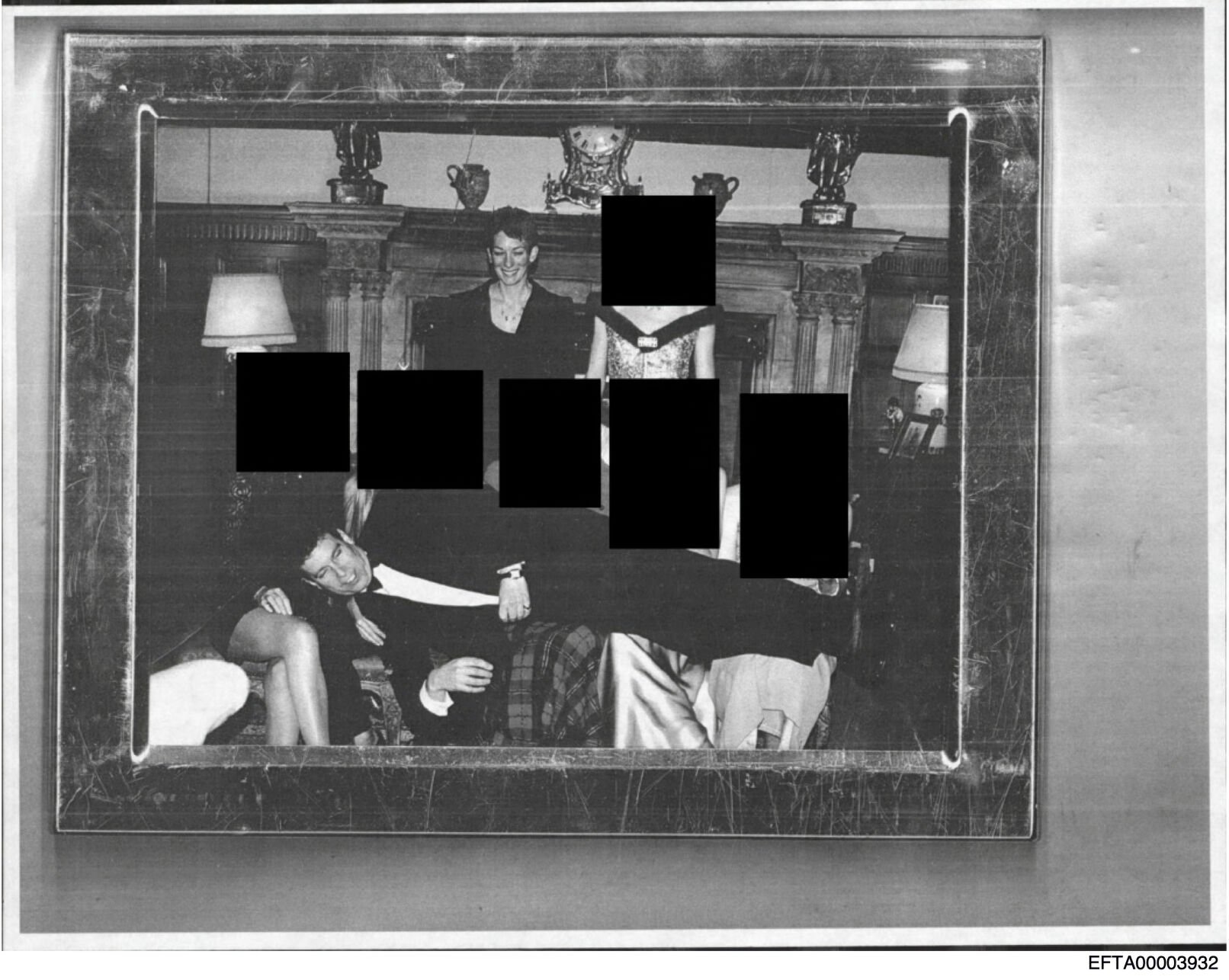
Included in the batch were records concerning some of Epstein’s famous associates, including Andrew Mountbatten-Windsor, formerly known as Britain’s Prince Andrew, as well as email correspondence between Epstein and Elon Musk and other prominent contacts from across the political spectrum.
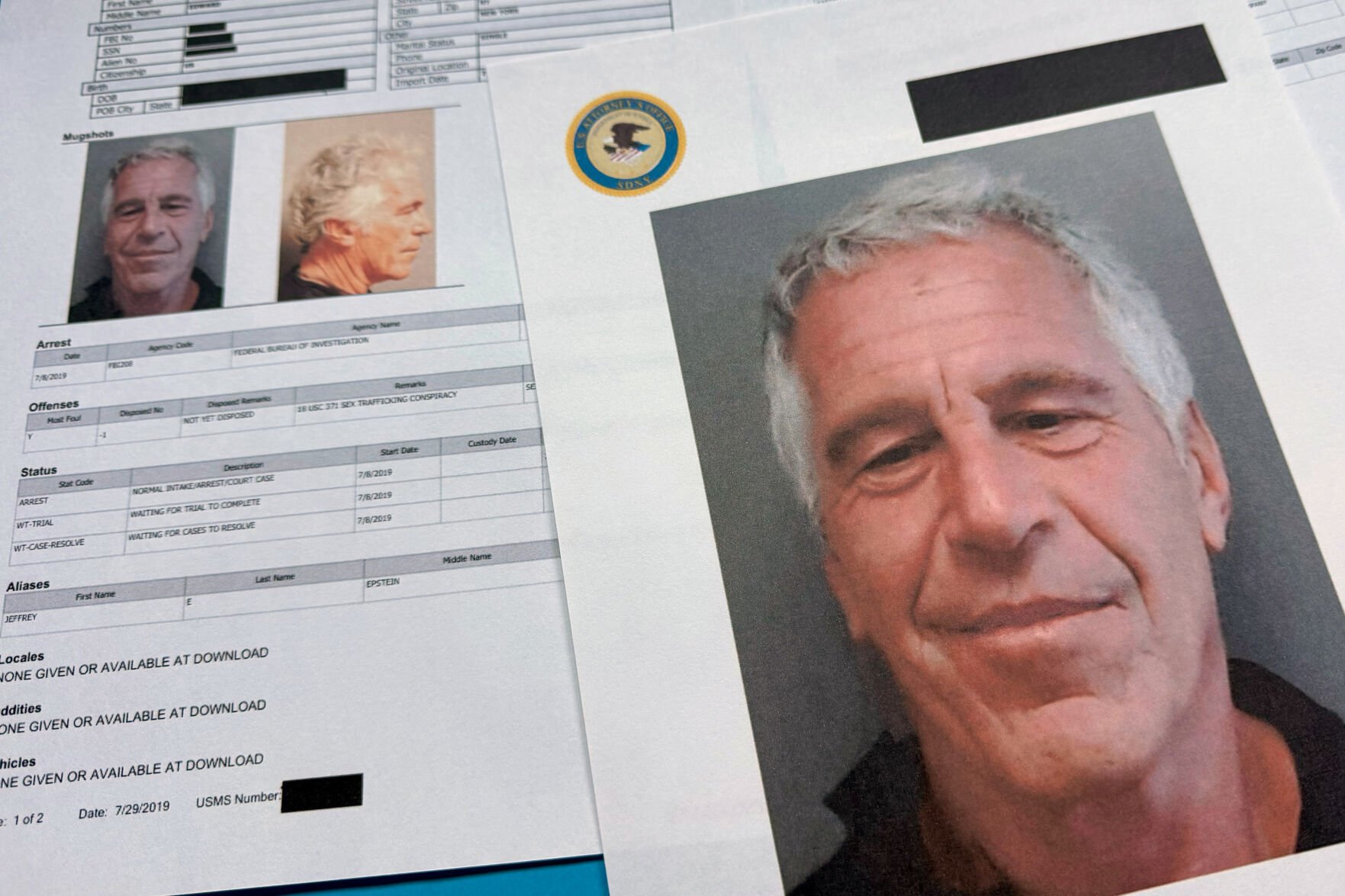
Jon Elswick, Associated Press
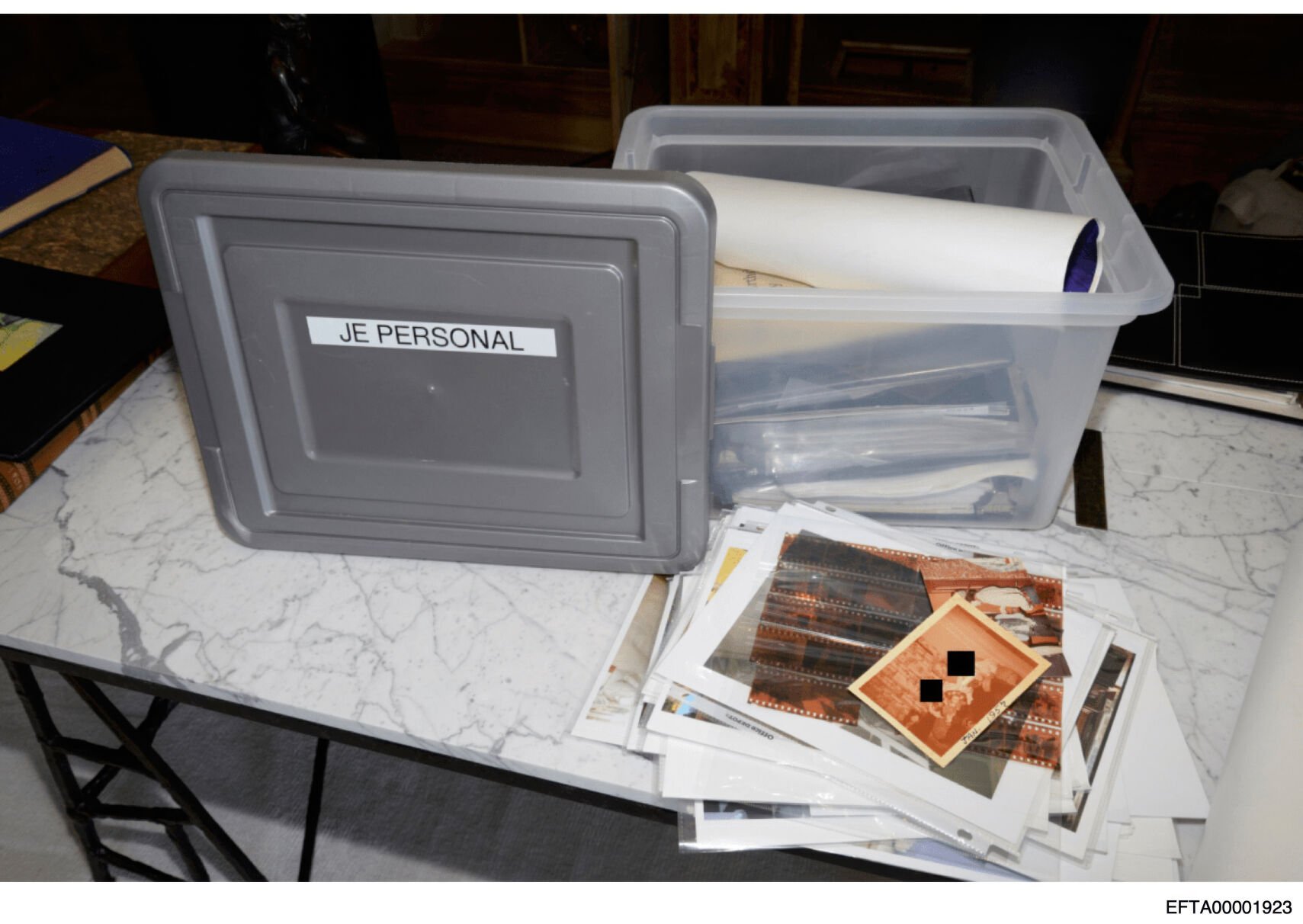
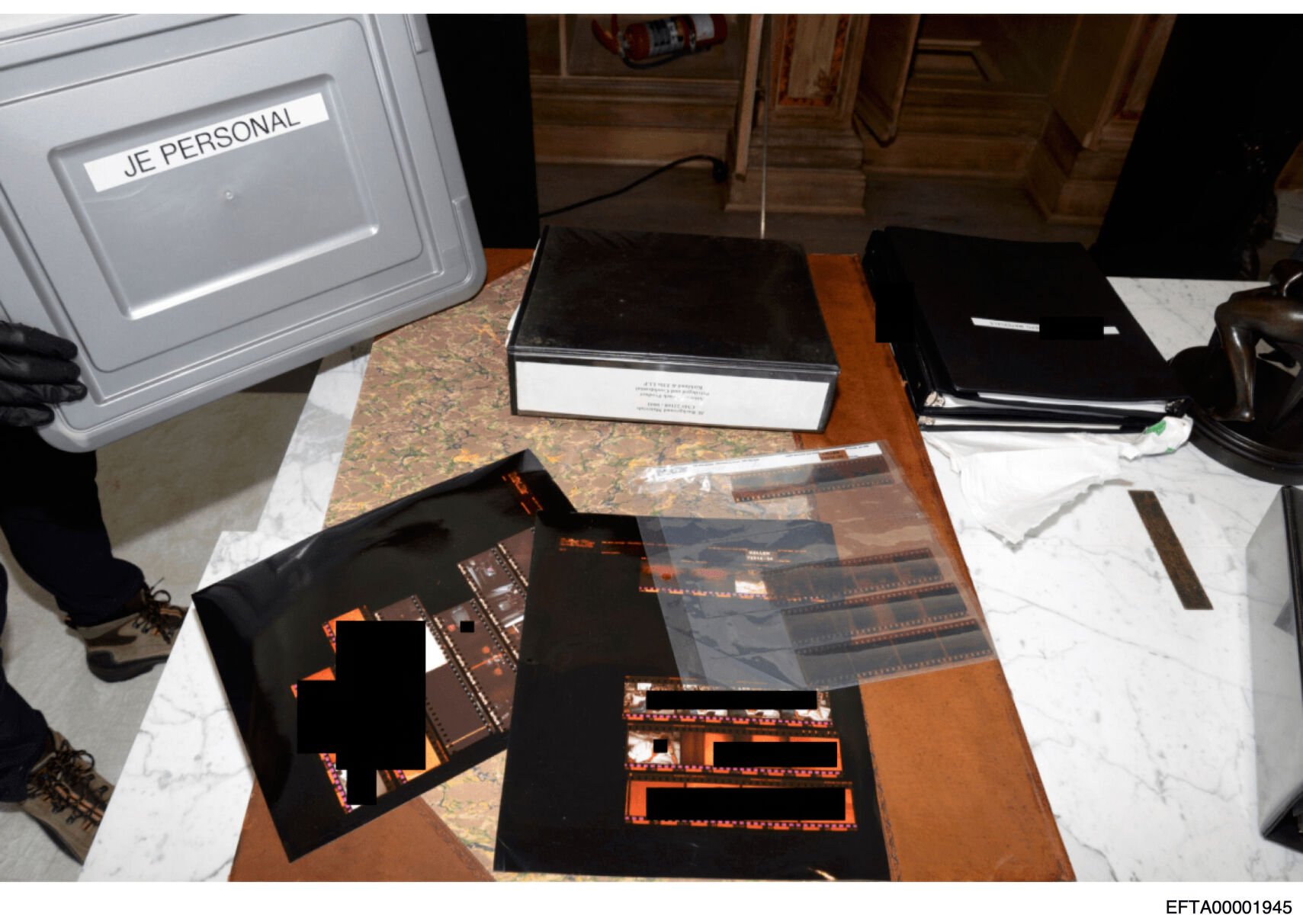
Documents that were included in the U.S. Department of Justice release of the Jeffrey Epstein files are photographed Jan. 2.
The documents were disclosed under the Epstein Files Transparency Act, the law enacted after months of public and political pressure that requires the government to open its files on the late financier and his confidant and onetime girlfriend, Ghislaine Maxwell.
Lawmakers complained when the Justice Department made only a limited release last month, but officials claimed more time was needed to review an additional trove of documents that was discovered and to scour the records to ensure no sensitive information about victims was inadvertently released.
“Today’s release marks the end of a very comprehensive document identification and review process to ensure transparency to the American people and compliance with the act,” Blanche said at a news conference announcing the disclosure.
Friday’s disclosure represents the largest document dump to date about a saga the Trump administration struggled for months to shake because of the president’s association with Epstein.
State and federal investigations into the financier long animated those who suspected government cover-ups and clamored for a full accounting, demands that even Blanche acknowledged might not be satisfied by the latest release.
“There’s a hunger, or a thirst, for information that I don’t think will be satisfied by review of these documents,” he said.
“We did not protect President Trump. We didn’t protect — or not protect — anybody,” Blanche said.

Jon Elswick, Associated Press
Pages from a completely redacted New York grand jury file into Jeffrey Epstein and Ghislaine Maxwell, released by the U.S. Justice Department, are photographed Dec. 19 in Washington.
Congressional Democrats, who have been key to pushing for the release of case files on Epstein, argued that Friday’s release is only about half of the files that were collected.
“The DOJ said it identified over 6 million potentially responsive pages but is releasing only about 3.5 million after review and redactions. This raises questions as to why the rest are being withheld,” said Rep. Ro Khanna, a California Democrat who sponsored the bill that mandated the disclosure.
Among the materials being withheld from release Friday is information that could jeopardize any ongoing investigation or expose the identities of potential victims of sex abuse. All women other than Maxwell have been redacted from videos and images being released Friday, Blanche said.
The number of documents subject to review ballooned to about 6 million, the department said.
After missing a Dec. 19 deadline set by Congress to release all of the files, the Justice Department said it tasked hundreds of lawyers with reviewing the records to determine what needs to be redacted, or blacked out, to protect the identities of victims of sexual abuse.
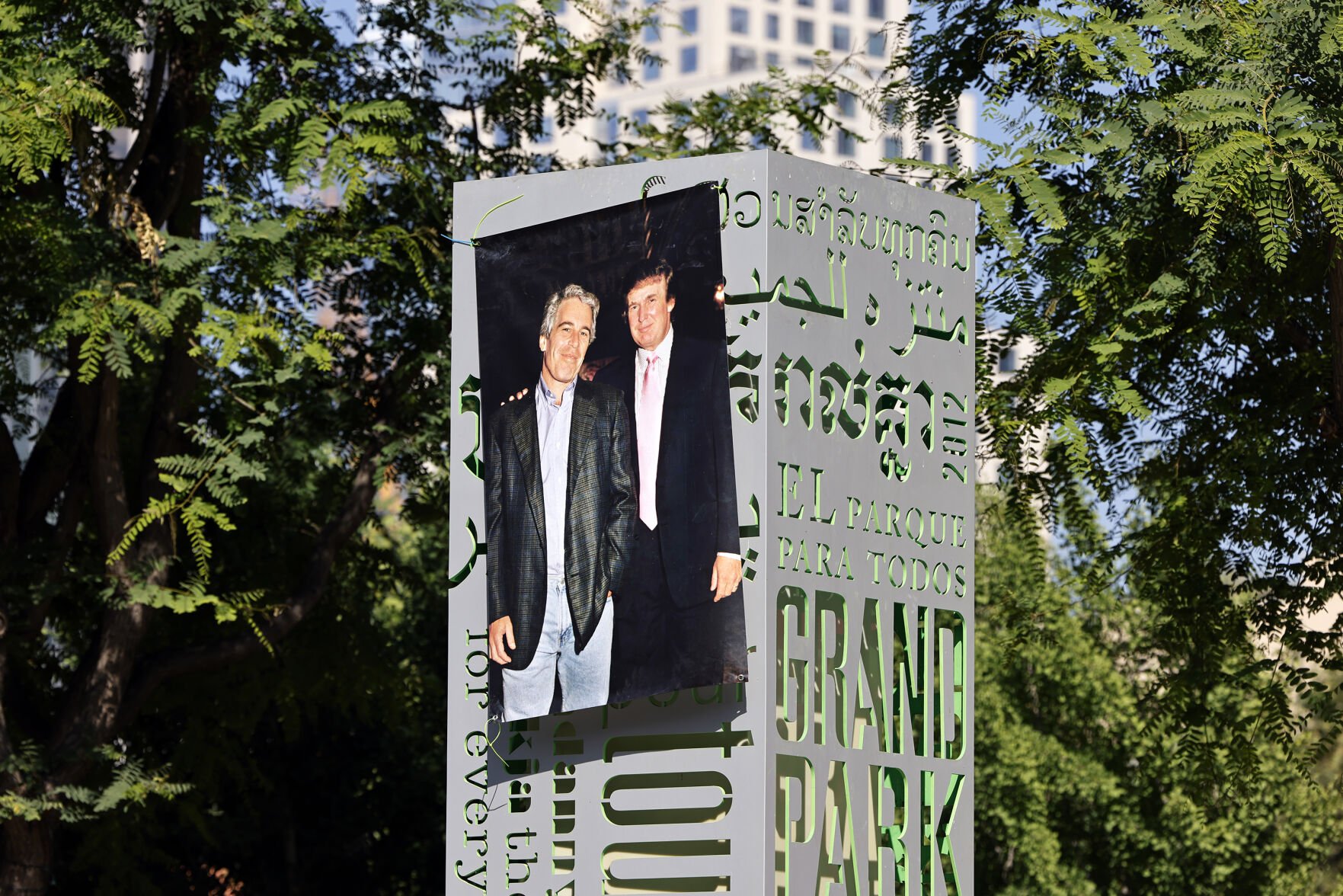
Carlin Stiehl, Los Angeles Times
A 1997 photograph of Jeffrey Epstein and Donald Trump hangs from a park sign June 15 at Gloria Molina Grand Park in Los Angeles.
The Justice Department released tens of thousands of pages of documents just before Christmas, including photographs, interview transcripts, call logs and court records. Many were either already public or heavily blacked out.
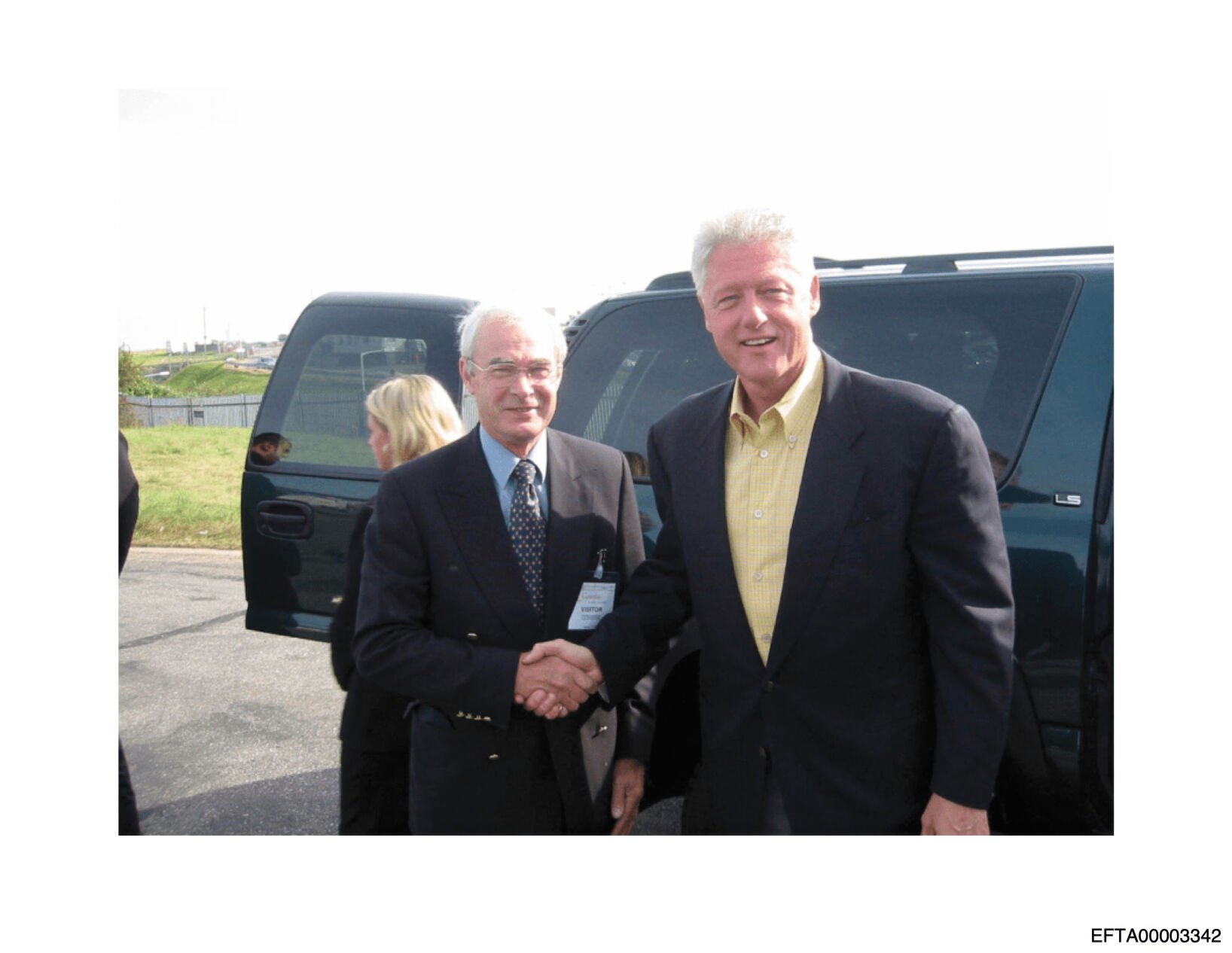
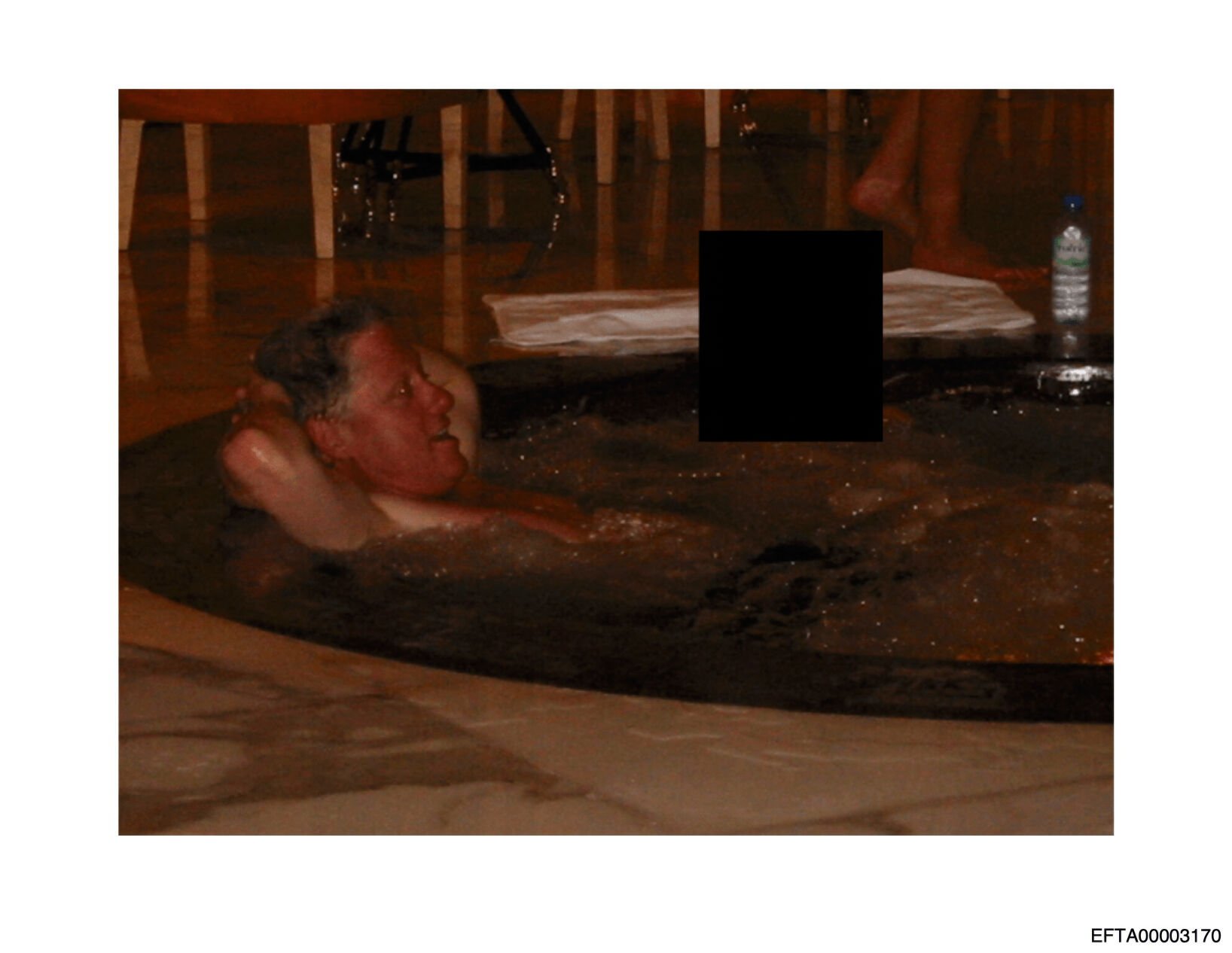
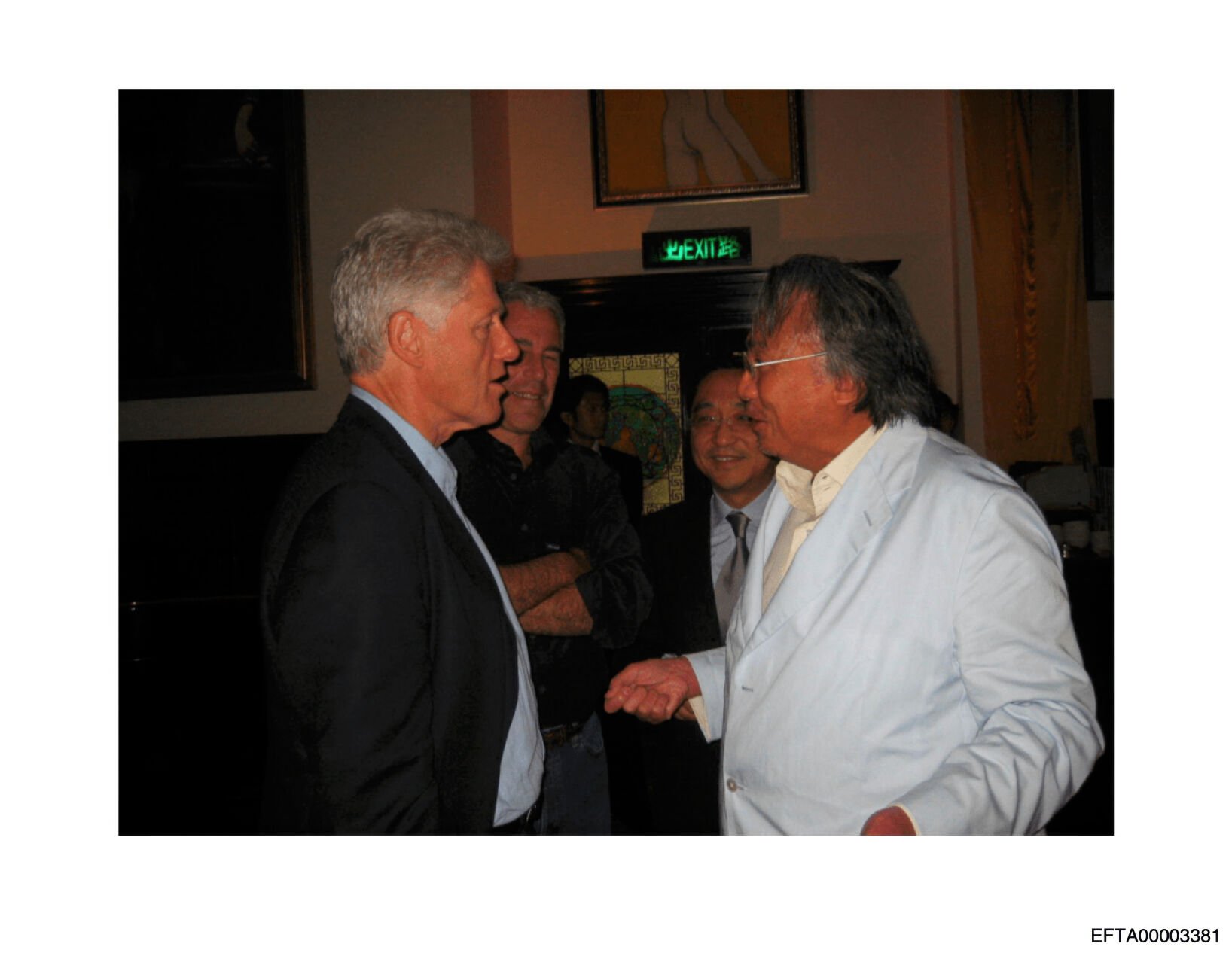
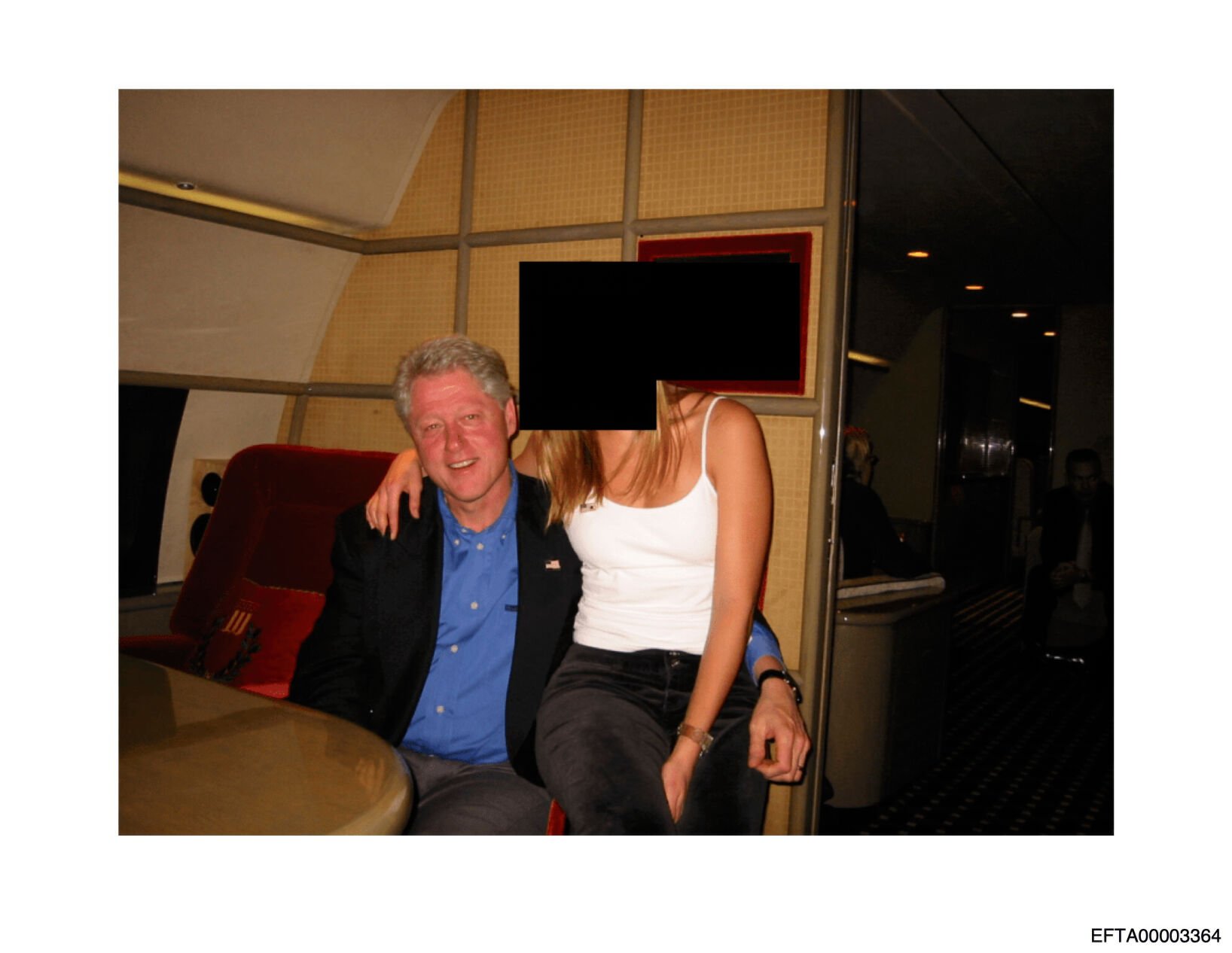
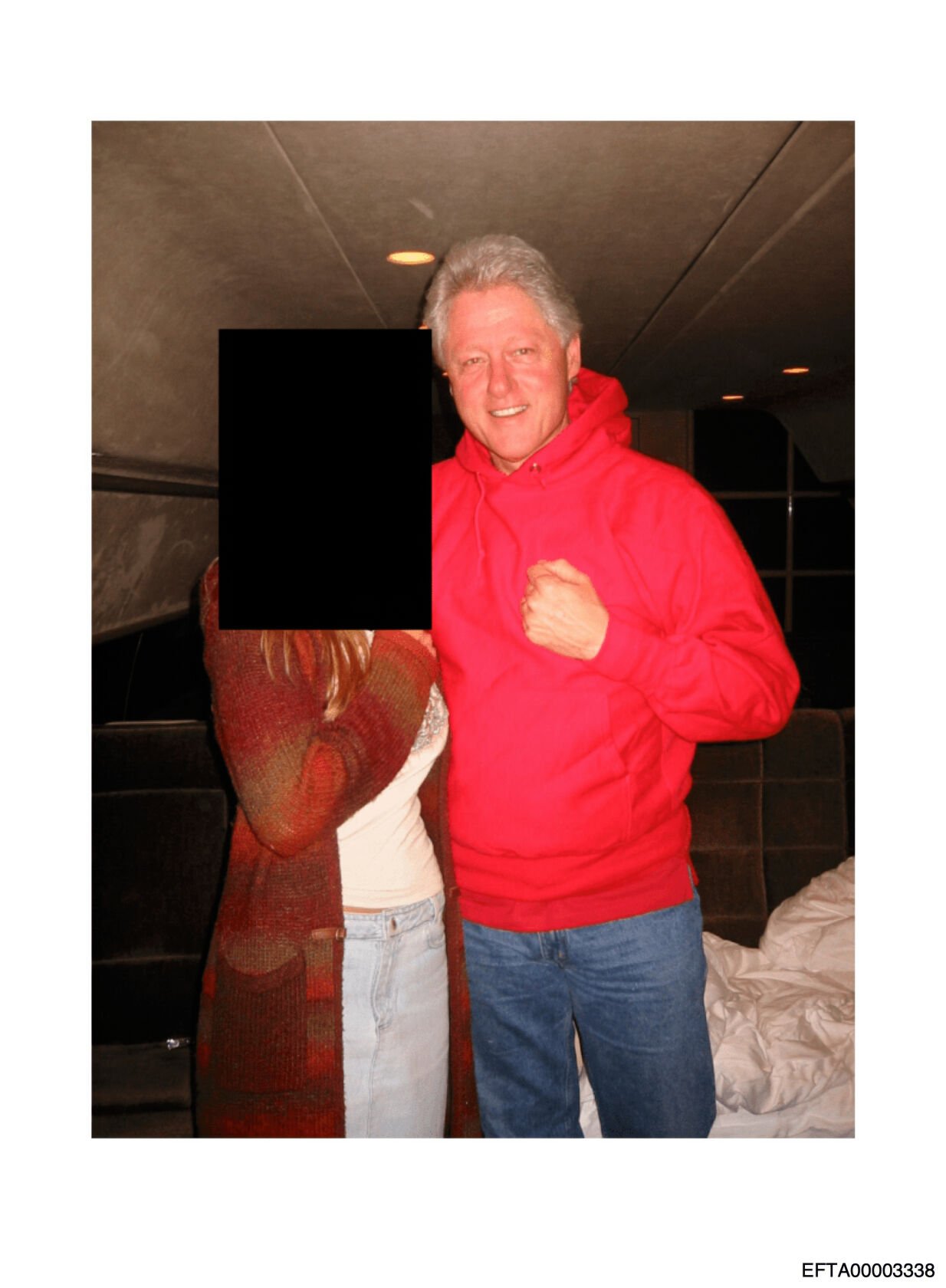
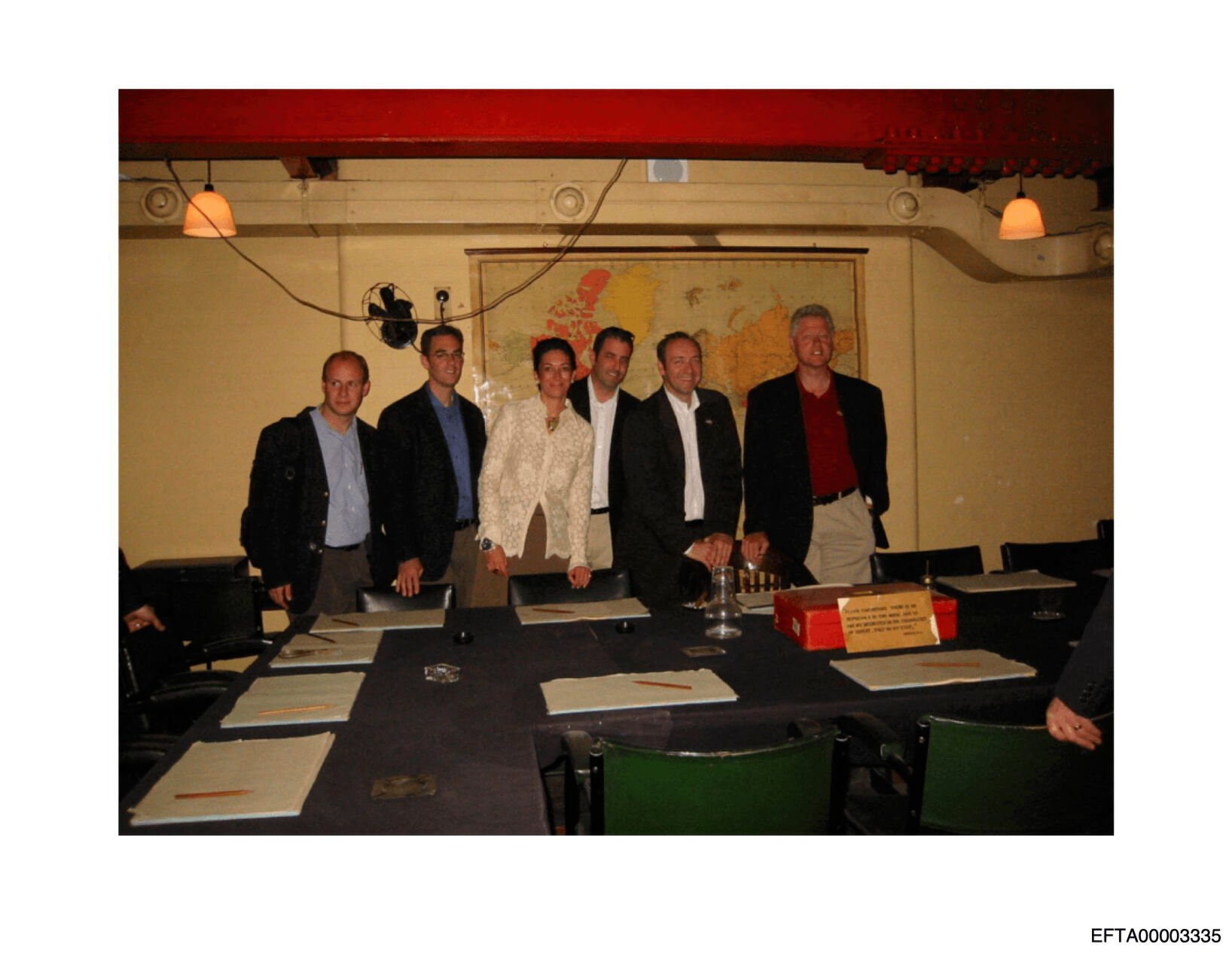
Those records included previously released flight logs showing that Donald Trump flew on Epstein’s private jet in the 1990s, before they had a falling out, and several photographs of former President Bill Clinton.
Neither Trump, a Republican, nor Clinton, a Democrat, is publicly accused of wrongdoing in connection with Epstein, and both claimed they had no knowledge he was abusing underage girls.
Also released last month were transcripts of grand jury testimony from FBI agents who described interviews they had with several girls and young women who said they were paid to perform sex acts for Epstein.
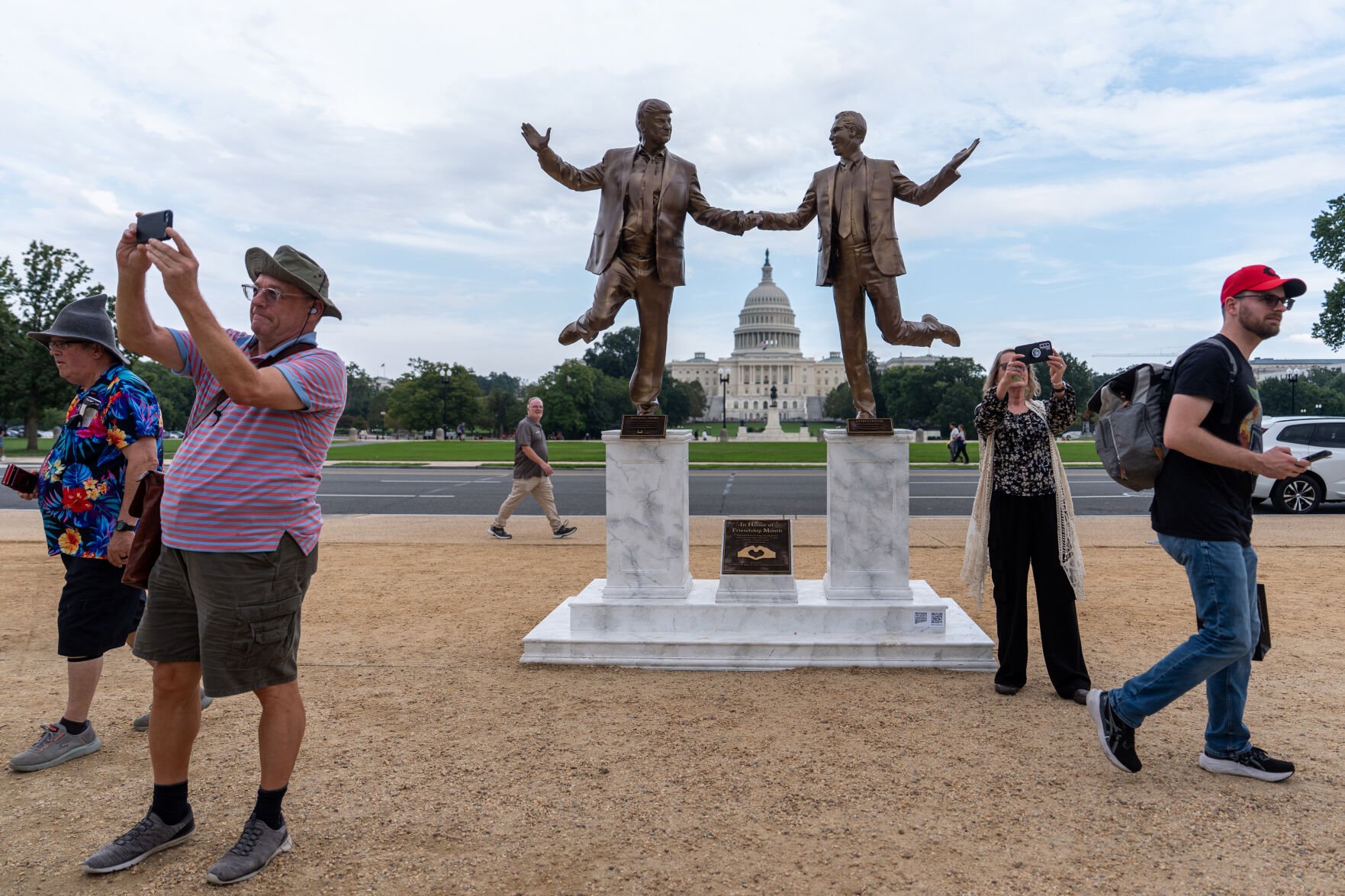
Julia Demaree Nikhinson, Associated Press
Visitors take photos Sept. 23 near a sculpture depicting President Donald Trump and disgraced financier Jeffrey Epstein, on the National Mall near the Capitol in Washington.
Authorities say Epstein killed himself in a New York jail cell in August 2019, a month after he was indicted on federal sex trafficking charges.
In 2008 and 2009, Epstein served jail time in Florida after pleading guilty to soliciting prostitution from someone under the age of 18.
At the time, investigators gathered evidence that Epstein sexually abused underage girls at his home in Palm Beach, but the U.S. attorney’s office agreed not to prosecute him in exchange for his guilty plea to lesser state charges.
In 2021, a federal jury in New York convicted Maxwell, a British socialite, of sex trafficking for helping recruit some of his underage victims.
She is serving a 20-year prison sentence at a prison camp in Texas, after being moved there from a federal prison in Florida. She denies wrongdoing.